ایران انگلیسی شما را به خواندن این متن دعوت می نماید:
Key Vocabulary & Translations
- Sizdah Bedar (سیزده بدر) – Thirteenth day of Nowruz celebrations
- Nature Day (روز طبیعت) – A day dedicated to being in nature
- Nowruz (نوروز) – The Persian New Year
- Sabzeh (سبزه) – Sprouted wheat or barley grown for Nowruz
- Sabzeh Dar Aab Andakhtan (سبزه در آب انداختن) – Throwing Sabzeh into water
- Tie grass blades (گره زدن سبزه) – A ritual for making wishes
- Unlucky number (عدد نحس) – A number associated with bad luck
- Prosperous year (سال پربرکت) – A successful and fortunate year
Sizdah Bedar: The Iranian Tradition of Nature Day
Sizdah Bedar, also known as Nature Day, is an ancient Iranian festival celebrated on the thirteenth day of Farvardin (the first month of the Persian calendar). This tradition dates back thousands of years and marks the end of Nowruz celebrations.
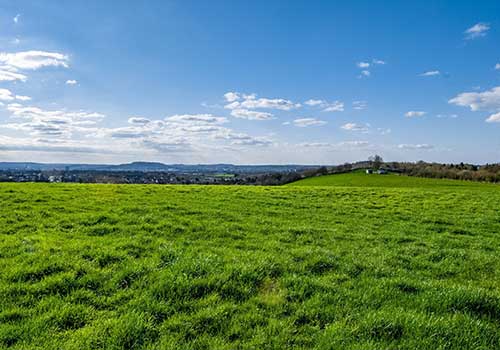
On this day, Iranian families leave their homes and spend time outdoors, in parks, gardens, and natural landscapes. They enjoy picnics, play traditional games, and socialize with friends and relatives. The belief behind this tradition is that the number thirteen is unlucky, so people go into nature to avoid bad luck and bring positive energy into their lives.
A key part of Sizdah Bedar is "Sabzeh Dar Aab Andakhtan" (سبزه در آب انداختن), which means throwing away the Sabzeh. The Sabzeh, a sprouted wheat or barley grown during Nowruz, is released into running water, symbolizing the removal of negative energy and wishing for a prosperous year. Some people also tie grass blades together and make wishes for a happy and successful future.
Sizdah Bedar is a joyful day filled with laughter, music, and outdoor activities. It highlights the deep connection between Iranians and nature, reflecting their appreciation for the environment and the importance of spending time outdoors with loved ones.